


Fire
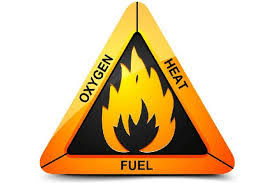
What is fire anyway? Fire is the rapid oxidation of materials in the chemical process of combustion, releasing heat, light and various products of chemical reactions. This is the chemical explanation of fire. The flame we see when burning is the visible part of the fire and consists of red-hot gases.
fire
A fire is the uncontrolled spread of fire in a room or in nature. It often causes material damage and endangers the lives of people and animals.
Delete
We extinguish the fire by preventing the access of air, lowering its temperature or removing its flammable parts.
Carbon monoxide - COmonoksid - CO
Carbon monoxide (the old term is carbon monoxide) is a deadly gas that is produced when there is not enough oxygen during combustion. It is colorless, odorless and tasteless, so we do not notice it. Signs of poisoning include nausea, dizziness, fatigue, etc. In Slovenia, an average of 50 people die each year from poisoning with this gas.
Aerosol Type S
Type S aerosol does not have a negative impact on precision instruments, electrical components and other equipment. When activated, the type S aerosol extinguishing agent and its inert gas suspension fill the volume of the room in which the fire has broken out. The size of chemical particles is up to one micrometer and they fill practically the entire room.
strontium nitrate
Molecular formula: Sr(NO3)2
Use:
It is used to manufacture red products for fireworks, signal flares, burner inner linings, analytical reagents, optical glass, LCD glass substrates and fire extinguishing reagents such as aerosols, cathode tube material in the electronics industry, automobile airbags and high-quality paints in medicine.
Use:
It is used to manufacture red products for fireworks, signal flares, burner inner linings, analytical reagents, optical glass, LCD glass substrates and fire extinguishing reagents such as aerosols, cathode tube material in the electronics industry, automobile airbags and high-quality paints in medicine.
potassium nitrate
Potassium nitrate (KNO3) is a salt of nitric acid (HNO3). It is known as common saltpeter, but was also called Epsom salt. It is used as an oxidizing agent (black powder), as an artificial fertilizer (supplies plants with the necessary nitrogen), as a food additive E252 and in the production of pyrotechnics and military explosives.
ABC powder
- Use of fire extinguishing powder Type A:
The dust extinguishes a fire when the temperature reaches 200 °C. We can extinguish new, difficult-to-ignite materials such as wood, paper and plastic.
- Use of fire extinguishing powder Type B and C:
The powder interrupts the chain reaction of flammable liquids and gases. These include flammable substances such as gasoline, oils, propane and natural gas.
- Use of ABC powder to extinguish fires at electrical systems:
It is also safe and effective for extinguishing fires in electrical installations, as the dust is not conductive. Fires where there is a possibility of electrical current must be extinguished with a suitable agent, such as powder, so that the electrical voltage is not transferred to the person extinguishing the fire.
The dust extinguishes a fire when the temperature reaches 200 °C. We can extinguish new, difficult-to-ignite materials such as wood, paper and plastic.
- Use of fire extinguishing powder Type B and C:
The powder interrupts the chain reaction of flammable liquids and gases. These include flammable substances such as gasoline, oils, propane and natural gas.
- Use of ABC powder to extinguish fires at electrical systems:
It is also safe and effective for extinguishing fires in electrical installations, as the dust is not conductive. Fires where there is a possibility of electrical current must be extinguished with a suitable agent, such as powder, so that the electrical voltage is not transferred to the person extinguishing the fire.